
Ranking the Top 25 Upland Hunting Destinations in America
America’s upland hunting landscape offers an extraordinary variety of wild game birds, from the pheasant-rich grasslands of the Great Plains to the bobwhite quail plantations of the South and the grouse covers of the northern forests.
For the 2026 –2027 season, the national picture is encouraging in several important regions. Mild winter conditions and favorable nesting and brood-rearing weather helped pheasant and quail populations across portions of the Midwest and Great Plains. Other regions face drought, habitat loss, wildfire or localized declines.
This report draws principally on the 2026 outlooks published by Pheasants Forever and Quail Forever, supplemented by state wildlife agency information. It distinguishes population evidence from hunting-access opportunities and from the quality of private hunting operations.
The Top 25 upland hunting destinations below are editorial selections, not an official ranking published by either conservation organization. They represent a combination of wild-bird prospects, species diversity, habitat, access and appeal to traveling wingshooters. The order is a practical destination ranking, not a claim that every county in a state offers equivalent hunting.
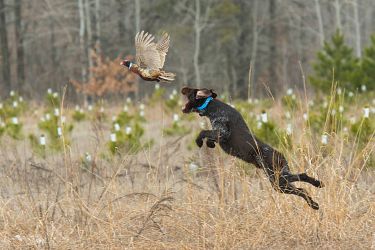
1. South Dakota — The Pheasant Capital
 Birds: Ring-necked Pheasant, Sharp-tailed Grouse, Prairie Chicken.
Regions: Aberdeen, Huron, Pierre, Winner and the northeastern counties.
Why go: The state reported more than 1.35 million roosters harvested in 2025 and more than 1.6 million acres in its walk-in access program. The 2026 outlook is cautiously optimistic, with substantial regional variation.
2026 outlook: Good to excellent, region dependent.
2. Kansas — The Three-Species Destination
Birds: Pheasant, Northern Bobwhite Quail, Greater Prairie Chicken.
Regions: Hays, Osborne, Mitchell, Russell and southwest Kansas.
Why go: Favorable winter carryover and generally encouraging spring surveys. Quail prospects are especially promising in central and north-central Kansas. Western areas experienced more variable moisture.
2026 outlook: Good to excellent for quail; good for pheasant.
3. Nebraska — The Emerging Quail Destination
Birds: Pheasant, Bobwhite Quail, Greater Prairie Chicken.
Regions: Republican, Southeast, East Central and Southwest.
Why go: The July 2026 quail survey increased 134% over 2025 and was 50% above its 20-year average. Pheasant survey results also improved, although drought and uneven access affect the experience. Access to more than 1.3 million acres of public and privately owned land open to public hunting.
2026 outlook: Excellent quail prospects; good pheasant prospects in selected regions.
4. North Dakota — The Prairie Mixed Bag
Birds: Pheasant, Sharp-tailed Grouse, Hungarian partridge.
Regions: Southwest, Northwest, Hettinger, Stark, Divide and Williams counties.
Why go: Pheasant numbers were up 9% from 2025 and 55% above the 10-year average. Sharp-tailed grouse also increased in the 2026 survey, though they remain below their long-term average. Access to approximately 925,000 acres enrolled in PLOTS.
2026 outlook: Good to very good.
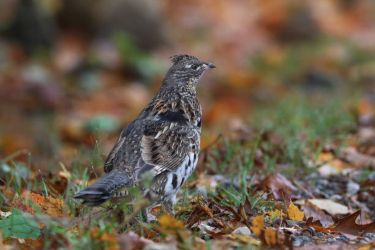
5. Minnesota — A Strong Pheasant Comeback
Birds: Pheasant, Ruffed Grouse, Sharp-tailed Grouse.
Regions: West Central, Southwest and South Central.
Why go: The 2026 statewide pheasant index reached 89.9 birds per 100 miles, approximately 20% above 2025. West Central and Southwest posted the highest regional counts.
2026 outlook: Very good in leading pheasant regions.
6. Iowa — Traditional Pheasant Country
Birds: Pheasant, Bobwhite Quail, Wild Turkey.
Regions: Northwest, North Central and West Central Iowa.
Why go: A classic agricultural and grassland hunting destination. Focus on larger blocks of quality nesting cover and public-access properties. Regional habitat and survey conditions should be checked before travel.
2026 outlook: Regional and property dependent.
7. Montana — Big-Sky Mixed-Bag Hunting
Birds: Pheasant, Sharp-tailed Grouse, Hungarian partridge, Sage Grouse.
Regions: Eastern Montana, Milk River country, Glasgow, Miles City and the Hi-Line.
Why go: Extensive prairie habitat, public-land opportunities and multiple upland species. This is particularly attractive for hunters willing to cover ground.
2026 outlook: Variable by region and habitat.
8. Colorado — Eastern Plains Upland Hunting
Birds: Pheasant, Bobwhite Quail, Scaled Quail, Greater Prairie Chicken.
Regions: Northeastern and southeastern plains.
Why go: Diverse prairie habitat and opportunities for both pheasant and quail. Drought has affected portions of the state, making location selection important.
2026 outlook: Variable; target eastern habitat.
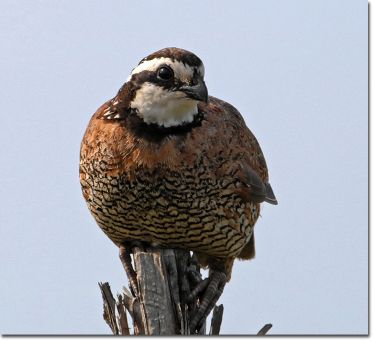
9. Oklahoma — Bobwhite and Scaled Quail
Birds: Northern Bobwhite Quail, Scaled Quail, Pheasant in limited areas.
Regions: Northwest, North Central and Southeast.
Why go: The 2025 statewide roadside index was 4.54 quail per route, approximately 70% above the 10-year average. Five consecutive years of increases had been recorded through 2025.
2026 outlook: Drought was extensive in 2026, particularly in western Oklahoma.
10. Texas — A Multi-Species Quail Adventure
Birds: Bobwhite quail, Scaled Quail, Gambel’s Quail in limited western areas.
Regions: Rolling Plains, South Texas, Trans-Pecos and Panhandle.
Why go: A large geographic range offers several distinct quail hunting experiences. Rainfall and drought can produce dramatic differences between regions.
2026 outlook: Highly regional; scout before booking.
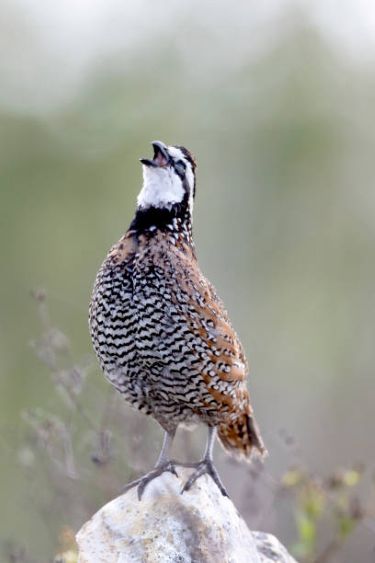
11. Georgia — The Traditional Wild Quail Plantation and Released Bird Experience
Birds: Northern bobwhite quail.
Regions: Thomas County, Red Hills, Albany Region and Southwest Georgia.
Why go: A historic center of managed wild-bobwhite hunting, prescribed fire, longleaf pine habitat and plantation-style wingshooting. The best opportunities are primarily private.
2026 outlook: Encouraging on intensively managed properties.
12. Arkansas — Southern Bobwhite Quail Habitat
Birds: Bobwhite, woodcock.
Regions: Southern Arkansas, Ouachita National Forest and Arkansas River Valley.
Why go: Encouraging early brood reports following strong 2025 reproduction. Habitat management and access remain important limitations.
2026 outlook: Promising on managed properties.
13. Mississippi — Managed Quail Country
Birds: Bobwhite Quail, Woodcock.
Regions: Southwest, South Central and Southeast Mississippi.
Why go: Habitat projects and managed properties provide localized opportunities. Look for properties using prescribed fire and timber thinning.
2026 outlook: Localized and management dependent.
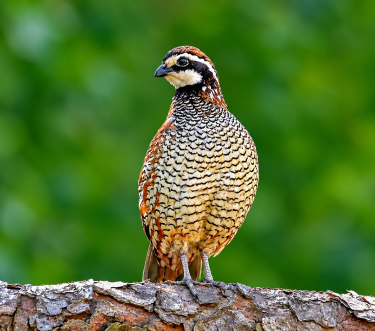
14. Alabama — Piney Woods Bobwhites
Birds: Bobwhite Quail.
Regions: Black Belt, Central Alabama and managed longleaf pine properties.
Why go: Intensive habitat management is producing localized opportunities. Prescribed burning, timber thinning and native groundcover are critical.
2026 outlook: Property dependent.
15. North Carolina — Southern Quail Tradition
Birds: Bobwhite Quail, Woodcock.
Regions: Sandhills and coastal plain.
Why go: Managed pine and agricultural landscapes retain important quail populations. Private land management is a major component of hunting quality.
2026 outlook: Localized habitat-driven opportunities.
16. Virginia — Restored Bobwhite Quail Landscapes
Birds: Bobwhite Quail, Woodcock.
Regions: Southern Piedmont and selected coastal plain properties.
Why go: Habitat restoration and early-successional management offer localized wild-bird opportunities.
2026 outlook: Localized and property dependent.
17. Arizona — Gambel’s Quail Country
Birds: Gambel’s, scaled and Mearns’ quail.
Regions: Central and Northwest Arizona for Gambel’s; southern oak woodlands for Mearns’.
Why go: A better Gambel’s outlook in northern Arizona. Mearns and Scaled Quail are still recovering from drought.
2026 outlook: Improving Gambel’s; more cautious for Mearns’ and scaled.
18. New Mexico — Scaled Quail and Gambel’s Quail
Birds: Scaled, Gambel’s and Montezuma Quail.
Regions: Eastern plains, southern desert grasslands and mountain foothills.
 Why go: An opportunity to hunt several western quail species in varied landscapes. Monsoon precipitation and regional habitat conditions are major factors.
2026 outlook: Variable; verify regional survey results.
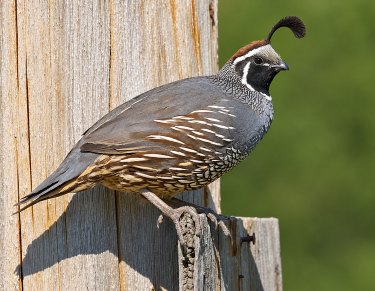
19. California — Diverse Native Quail
Birds: Valley, mountain and California quail; pheasant.
Regions: Sacramento Valley, foothills and selected mountain habitats.
Why go: Multiple species and a range of terrain make California an interesting destination for the versatile bird dog.
2026 outlook: Region and species dependent.
20. Oregon — Chukar and Upland Adventure
Birds: Chukar, Valley Quail, Mountain Quail, Pheasant.
Regions: Columbia Basin and eastern Oregon.
Why go: Classic steep-country chukar hunting and diverse quail opportunities. Wildfires affected more than two million acres in the 2026 PF report, with some hunting areas impacted.
2026 outlook: Mixed; verify fire closures before travel.
21. Wisconsin — Ruffed Grouse Country
Birds: Ruffed Grouse, Woodcock, Pheasant.
Regions: Northern and Central Wisconsin.
Why go: Extensive forest cover and aspen habitat support classic grouse hunting. Northwestern Wisconsin also has important pheasant opportunities.
2026 outlook: Pheasant survey results vary by region; grouse prospects require separate assessment.
22. Michigan — Grouse and Woodcock
Birds: Ruffed grouse, American woodcock, pheasant.
Regions: Upper Peninsula, northern Lower Peninsula and southern pheasant range.
Why go: A strong destination for forest bird hunting and dogs that work tight cover. The 2026 PF pheasant report also describes encouraging prospects in southern Michigan.
2026 outlook: Pheasant prospects cautiously optimistic; grouse and woodcock require separate regional assessment.
23. Maine — American Woodcock
Birds: American woodcock, ruffed grouse.
Regions: North Woods, western mountains and central Maine.
Why go: A classic destination for pointing dogs working alder runs, young forest and regenerating cover.
2026 outlook: Habitat and migration conditions determine local opportunity.
24. Pennsylvania — Traditional Grouse Covers
Birds: Ruffed grouse, woodcock, pheasant on stocked or managed grounds.
Regions: North Central Pennsylvania, Allegheny National Forest and northern counties.
Why go: Extensive public forest and a long grouse-hunting tradition. Wild grouse availability is affected by long-term habitat and population trends.
2026 outlook: Specialized forest-bird destination.
25. New York — Grouse and Woodcock
Birds: Ruffed grouse, American woodcock, pheasant.
Regions: Adirondacks, Tug Hill Plateau, Catskills and northern forest country.
Why go: Large forest landscapes and diverse cover types offer an attractive destination for hunters who prefer wild forest birds.
2026 outlook: Localized, dependent on forest age and habitat quality.
The 2026 – 2027 upland season offers strong prospects for traveling wingshooters, though where you go matters more than ever. The Great Plains and Upper Midwest lead the list. South Dakota, Kansas, Nebraska, North Dakota and Minnesota benefit from mild winters, favorable nesting weather and generous public access, and Nebraska’s quail rebound and Minnesota’s pheasant comeback stand out. The Southeast and Mid-Atlantic offer a different kind of hunt, built on intensively managed bobwhite country where prescribed fire, longleaf pine and careful habitat work determine success. Western states bring variety, from Gambel’s and Scaled Quail to Chukar, but drought and wildfire call for caution. The northern forests remain the home of ruffed grouse and woodcock, with success tied closely to the age and quality of the cover.
Before booking, check the latest Pheasants Forever and Quail Forever outlooks and your state wildlife agency’s survey results, and confirm access and closures. Match the destination to the bird you want to hunt, and you’ll be well-positioned for a memorable season afield.
Irwin Greenstein is the Publisher of Shotgun Life. You can reach him at the Shotgun Life Facebook Page at https://www.facebook.com/shotgunlife#

Irwin Greenstein is Publisher of Shotgun Life. Please send your comments to letters@shotgunlife.com.

Comments