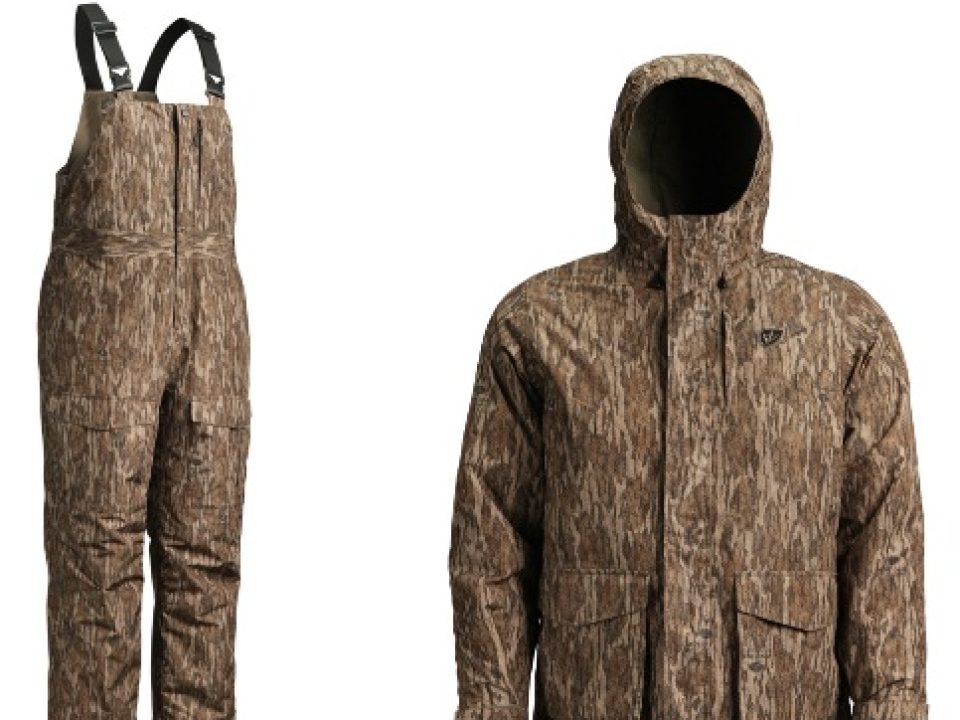
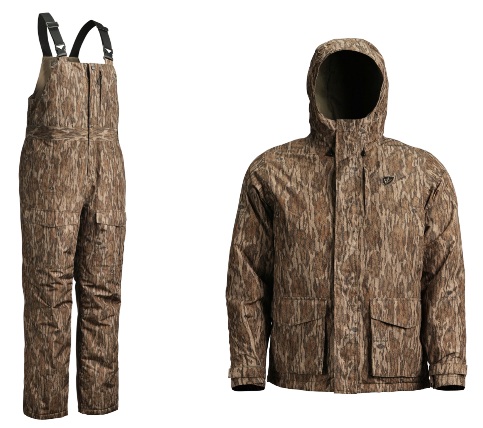
The New Flyway Insulated Jacket and Bib for Waterfowl Hunting

Flyway

Sept. 18, 2026 — Muskegon, MI – Blocker Outdoors has been outfitting hunters since 1998, building a name on hardworking big-game apparel trusted in the field for 26 years. That same standard now shows up in the Flyway Insulated Jacket and Bib, designed for those cherished cold, wet mornings when birds are on the move.

Blocker Outdoors didn’t get here by accident, either. The Finisher Turkey Series launched a few years back as a focused answer for spring turkey hunters, and it didn’t stay small for long. Loyal customers built entire turkey-season kits around it, and Blocker has kept expanding the line year after year, from packs to pants to a heritage camo revival hunters still talk about.

That same standard shows up in the new Flyway line, too. Blocker didn’t chase a trend into the duck blind. It brought the same construction and attention to detail that’s built its reputation everywhere else.

“Honestly, this one’s overdue,” said Steve Allie, Marketing Director for NEXUS Outdoors. “We build gear that holds up, and it was only a matter of time before that showed up in the duck blind. Flyway gets it there, and it’s a good one.”

Cold, wet mornings are just part of the deal in a duck blind, and most hunters wouldn’t trade them for anything. What shouldn’t be part of the deal is fighting your gear on top of it. The Flyway Jacket and Bib are built to take the discomfort out of those conditions, so the only thing on your mind is the birds working the decoys, starting with what’s keeping the water out in the first place.

RainBlocker: Built to Keep Water Where It Belongs

At the core of both pieces is a RainBlocker® waterproof 10K/10K membrane, fully taped at every seam. The 10K rating means the fabric can withstand serious water pressure without leaking through, while staying breathable enough that a hunter isn’t trading rain protection for a sweat-soaked base layer.

Taped seams close off the one place untreated stitching always leaks first, so the whole garment works as one sealed system instead of a fabric that’s only as waterproof as its weakest seam.

Warmth That Works, Details That Disappear

The Jacket runs 120 grams of insulation through the body and 80 grams in the hood and sleeves, holding heat where a hunter needs it most without adding bulk. The honeycomb polyester shell isn’t just a name on a spec sheet, either. Look close and the texture is genuinely woven into the fabric, and it’s what keeps movement quiet in the blind.

That same attention to detail shows up in the small things: an adjustable tab at each cuff seals out cold air over a glove, a snap at the hem locks the fit down tight, and the zippered chest pocket is cut deep enough to carry a phone in a case without a bulge or a fight with the zipper.

“We didn’t want to just put our name on a waterfowl jacket and call it done,” Allie said. “Waterfowl hunters sit still in the worst conditions of the season, so the bar for staying dry and warm is higher than almost anywhere else in hunting. We built the Flyway line to meet that bar, down to the stitching.”

Built to Match, Built to Move

The Bib carries the same RainBlocker protection and 120 grams of insulation, with a smooth lining that slides easily over base layers, even before sunrise. Full-length side zippers make it simple to pull the Bib on and off over boots, angled thigh pockets keep gear within reach, and adjustable elastic suspenders round out the fit. Both pieces carry the same tailored, athletic cut that’s defined Blocker’s apparel for years, not the boxy, sack-like fit that’s common in budget waterfowl gear.

“Nobody quits a hunt because of their jacket,” Allie added. “They quit because they’re cold and wet from the waist down. That’s the half of the equation the Bib is built to solve.”

Fit That Doesn’t Get in the Way

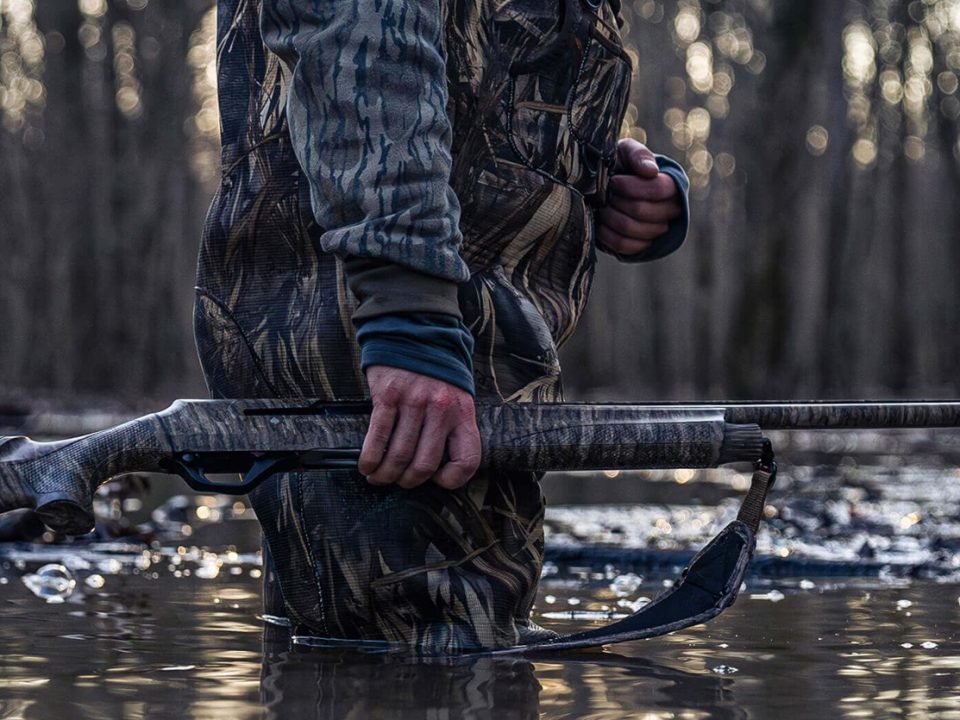
Fit isn’t an afterthought at Blocker, either. It’s something the brand tests and refines on every piece it designs, and the Flyway Jacket and Bib both got that same treatment. The range of motion on each is excellent, whether you’re hiking into the marsh or crouched low in the blind waiting on a flock to commit. Nothing binds, nothing rides up, nothing fights you when you finally do have to move fast, and that includes raising and swinging the barrel.

Both pieces are available now in Mossy Oak Bottomland, a pattern developed for the flooded timber and marsh environments where waterfowl hunters spend their season. At $149 each, the Flyway Jacket and Bib deliver on that same Blocker standard once again — the kind of value that makes the price look like a typo.

Flyway Insulated Jacket FEATURES:

  • Quiet honeycomb polyester shell, lined with poly tricot and smooth poly sleeves so layers don’t bind
  • RainBlocker® waterproof 10K/10K membrane and taped seams to keep you dry
  • Warmth where you need it: 120g body insulation, 80g in the hood and sleeves
  • Fleece-lined handwarmer pockets that snap shut
  • 5 pockets: 1 zip chest sized for a phone, 2 top-load snap waist, 2 open side-entry
  • Adjustable hood, cuff tabs, and snap-closure hem to shut out wind and rain

PATTERN: Mossy Oak bottomland

SIZES: S – 3XL

MSRP $149.99

Flyway Insulated Bib FEATURES:

  • Quiet honeycomb polyester shell with a smooth lining that slides over base layers, even in the dark
  • RainBlocker® waterproof 10K/10K membrane and taped seams to keep you dry
  • 120g insulation for warmth on long, cold sits
  • Fleece-lined handwarmer pockets
  • 3 pockets: 1 chest zip, 2 angled thigh snap-closure
  • Full-length side seam zippers so they go on and come off over boots
  • Adjustable elastic suspenders

PATTERN: Mossy Oak bottomland

SIZES: S – 3XL

MSRP $149.99

ABOUT NEXUS OUTDOORS: Nexus Outdoors, headquartered in Muskegon, MI, USA, is a leading worldwide designer, marketer and distributor of performance, hunting and casual odor-controlling apparel, footwear and equipment under the ScentLok Technologies®, OZ®, Blocker Outdoors®, Whitewater Fishing®, Hardcore® Waterfowl, TUO, and Tree Spider® brands. It also owns American Range Systems, manufacturer and distributor of the world’s strongest and safest bullet traps. Nexus Outdoors is the only company with access to all scent-controlling technologies, including their patented Carbon Alloy™ and Cold Fusion Carbon™ technologies, which provide superior success in the field. ScentLok and Blocker Outdoors are pioneers in the hunting industry, which many credit with creating a market focused on superior scent control to get closer to big game

Retay Logo

Strategic Tips for Hitting Those Geese

The opening weekend of early goose season is a bloodbath for local flocks, and by Monday morning, the playbook changes entirely. 

Those resident honkers that waded right into your massive decoy spread on Saturday morning are suddenly PhD-level survivors. They’ve circled fifty different spreads, listened to every high schooler in the county blow a short-reed like a dying cow, and dodged a hailstorm of steel shot. 

If you keep running the same opener strategy during week two, you aren’t hunting—you’re just educating birds faster than the state can hatch them. Here is how to adapt your early goose season tactics, beat the post-opener pressure, and pull wary, educated honkers into range when everyone else is scratching their heads. 

Recognize How Fast Birds Get “Smart” 

Geese don’t forget trauma. Within forty-eight hours of opening day, local family groups undergo a massive behavioral shift. 

● The Trap Recognition: Birds that lazily drifted toward a half-dozen full-bodies on Saturday will flare at three hundred yards on Tuesday if those decoys are sitting in the exact same spot. They learn the geometry of hunting setups. 

● The Calling Burnout: When every ditch line sounds like an outdoor convention, calling becomes a negative stimulus. Educated birds associate loud clucks and aggressive hail sequences with getting shot at, meaning silence is often your best weapon. 

Shift Off the Main Feed 

The biggest mistake hunters make after the opener is stubbornly chasing the “X” where birds were shot at forty-eight hours prior. Those fields are burned out, and the geese know it. 

● Target the Loafing Zones: Instead of fighting for position in a cut corn or silage field where every truck in the county is parked, look for mid-day security water. Find private stock ponds, marsh pockets, or river bends where pressured birds go to rest and digest after dodging the morning gauntlet. 

● Ambush the Transit Corridors: Set up half a mile off the roost between the water and secondary feeding areas. Catching flocks on a lazy transition flight when their guard is down works far better than trying to pull them into a heavily contested feeding ground. 

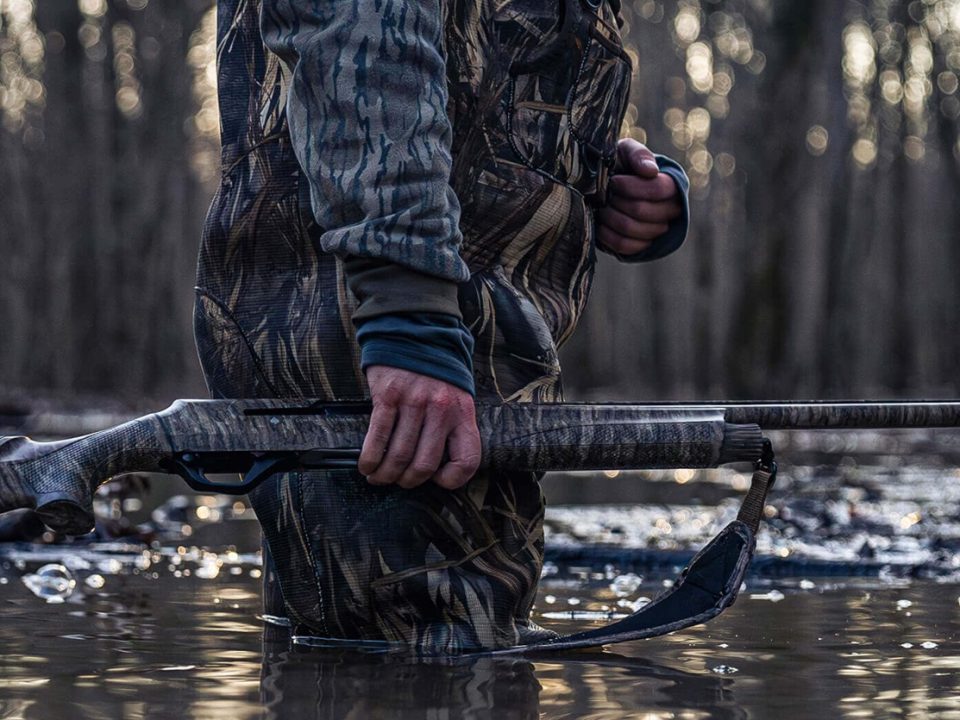
Retay Ace

Downsize and Scramble Your Decoys 

If you ran thirty full-bodies on opening weekend, cut that number in half—or ditch the traditional spread entirely. 

● Micro-Spreads and Family Groups: Drop down to six to eight ultra-realistic decoys spaced out naturally. Late-September birds are hyper-aware of unnatural clustering; a tight, small family pod looks far less intimidating to a flock that’s already on high alert. 

● Break the Mold: Stop arranging decoys in traditional horseshoe or C-shape patterns. Scatter them randomly, mix in different postures (feeders, sleepers, and alert sentries), and place them closer to natural cover like fence rows or irrigation pivots where birds naturally mill about. 

Master the Art of Strategic Silence 

The guys bagging birds after opening week are usually the quietest guys in the field. 

● Whisper, Don’t Shout: Put away the aggressive contest calling. Use soft, muffled murmur notes, gentle moans, and occasional feeding chuckles. You want to sound like a contented family group that has already found the dinner table, not a billboard advertising a party. 

● Call to Finish, Not to Pull: Let passing flocks locate you with your layout or natural cover. Only hit the call when they are directly overhead or working your edges, and cut the noise the second they commit their wings. 

Rethink Your Hide 

Geese looking down at a field don’t just see decoys—they see shadows, layout blind profiles, and unnatural straight lines that weren’t there on Friday. 

● Ditch the Layouts in Thin Cover: If the stubble is sparse, traditional layout blinds stick out like neon signs to birds that have been shot at all week. 

● Go Natural: Transition to zero-profile setups. Sit against a brushy fence line, tuck into a natural irrigation ditch, or use low-profile backrests brushed in heavily with local weeds. If a bird has to look twice to figure out if you belong in the landscape, you’ve already won half the battle. 

The post-opener lull separates the casual hunters from the ones filling limits all September long. When you stop doing what everyone else is doing, you stop educating the local flock—and start putting birds on the strap. 

Check out Retay waterfowl semi-autos at https://www.retayusa.com/

Delta Waterfowl Celebrates Introduction of the Great American Outdoors Act 250

250

June 11, 2026 — Delta Waterfowl today praised House Natural Resources Committee Chairman Bruce Westerman, R-Ark., and Ranking Member Jared Huffman, D-Calif., for introducing The Great American Outdoors Act 250 to reauthorize the Legacy Restoration Fund, a critical funding tool used to address deferred maintenance across federal public lands and waters. The investment in infrastructure would provide $95 million per year for five years.

Since its creation, the Legacy Restoration Fund has provided substantial funding for infrastructure improvements on lands managed by the U.S. Fish and Wildlife Service, National Park Service, Bureau of Land Management, and U.S. Forest Service. These projects have enhanced habitat management, improved public access, and ensured sportsmen and women can continue to enjoy America’s public lands and waters.

“We’re grateful for Chairman Westerman and Ranking Member Huffman for their bipartisan leadership in taking steps to reauthorizing the Legacy Restoration Fund,” said John Devney, chief policy officer for Delta Waterfowl. “The Legacy Restoration Fund has delivered meaningful benefits for ducks and duck hunters by helping USFWS refuge managers and other federal land managers address long-overdue infrastructure needs which directly support enhanced wetland habitat management and public access. Reauthorizing the Legacy Restoration Fund will ensure that the backlog on infrastructure on refuges and other public lands can be addressed.”

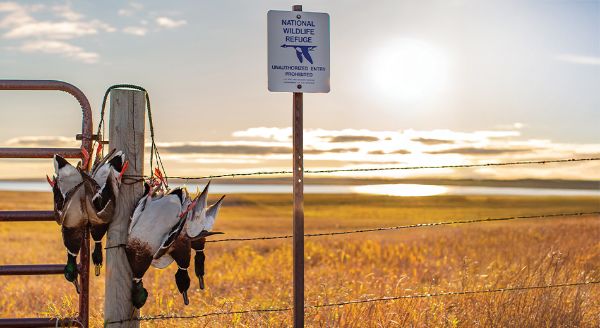
Across the country, national wildlife refuges provide critical habitat for breeding, migrating, and wintering ducks and represent important access for waterfowl hunters. Yet, the National Wildlife Refuge System currently has a $2.6 billion deferred maintenance backlog, which means pumps, water-control structures, dikes, and other essential habitat management features need repair.

“A well-managed National Wildlife Refuge System is fundamental to a brighter future of ducks and duck hunters,” Devney said. “Reauthorization of the Legacy Restoration Fund has been one of Delta’s highest priorities for this Congress and has been a centerpiece of our Restore Our Refuges Initiative.”

In 2025, Delta formally launched Restoring Our Refuges, an impactful advocacy campaign to secure enhanced public funding to revitalize the health and waterfowl value of federal refuges and state-owned wildlife management areas throughout the United States.

Delta Waterfowl will continue to work closely with members of the House of Representatives and Senate toward reauthorization of the Legacy Restoration Fund.

Delta Waterfowl is The Duck Hunters Organization™, a leading conservation group founded in 1911 that uses science-based solutions to produce ducks, conserve prairie wetlands, and ensure the future of waterfowl hunting in North America. Visit their website.

Weighing the Price and Performance of Tungsten Shotgun Shells

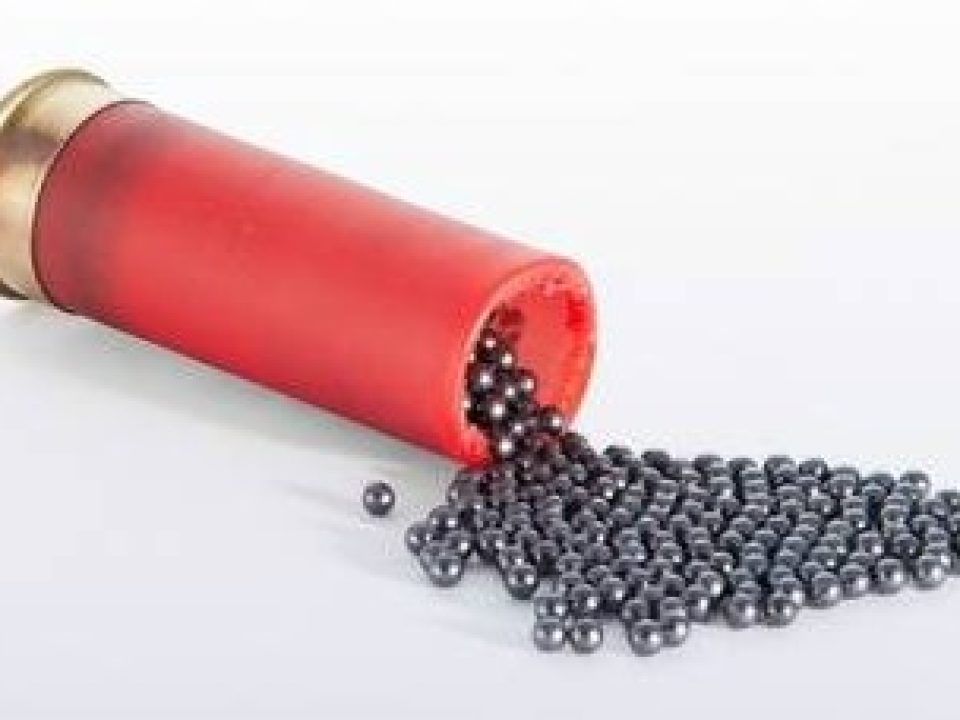
Tungsten shotgun shells have experienced a significant surge in popularity over the past few years. This rise can be attributed to several factors. First, there is the issue of lead contamination in the environment, which has led to an increasing number of hunters and shooters seeking out safer alternatives. Second, improvements in tungsten technology have led to the production of more affordable and high-quality tungsten shotgun shells, making them a more viable option for those in the shooting sport.

Read More

The Knockdown Power of Waterfowl Duplex Shotgun Loads

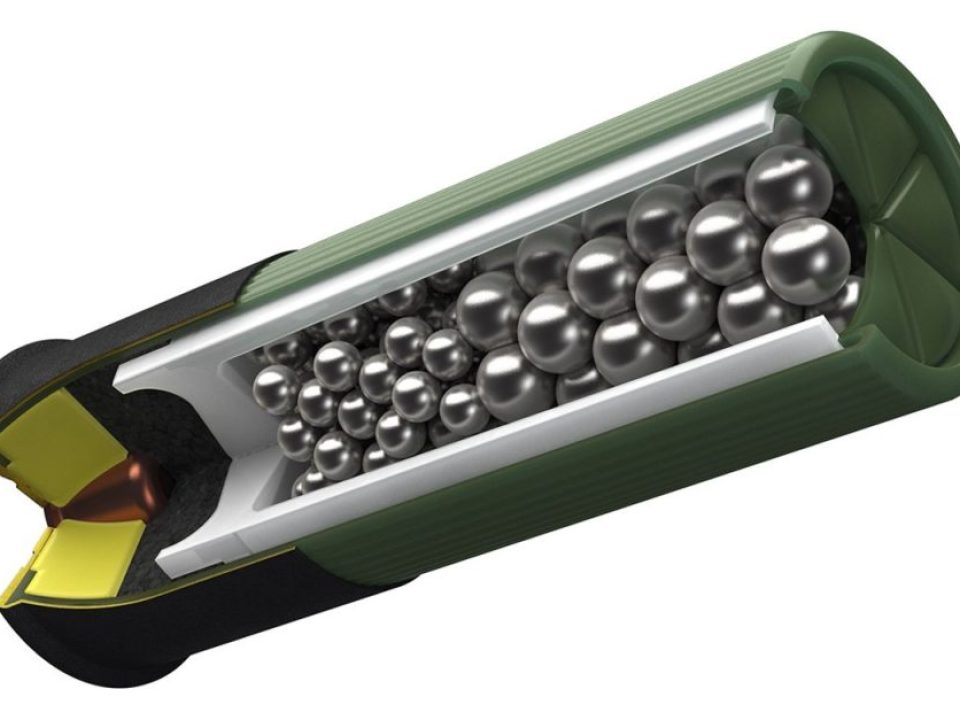
Waterfowl Duplex Shotgun Loads, often referred to as duplex loads, are a type of shotgun shell designed to facilitate effective waterfowl hunting. They consist of two or more different sizes of shot layered or mixed together within the same shell. This combination allows the shooter to benefit from the characteristics of both shot sizes simultaneously. Typically, the larger shot is used to maintain lethal energy at longer ranges, while the smaller shot provides a denser pattern for close-range shooting.

Read More

Shotgun Life Newsletters

Join an elite group of readers who receive their FREE e-letter every week from Shotgun Life. These readers gain a competitive advantage from the valuable advice delivered directly to their inbox. You'll discover ways to improve your shooting, learn about the best new products and how to easily maintain your shotgun so it's always reliable. If you strive to be a better shooter, then our FREE e-letters are for you.