The Effective Range and Efficiency of Different Choke Constrictions

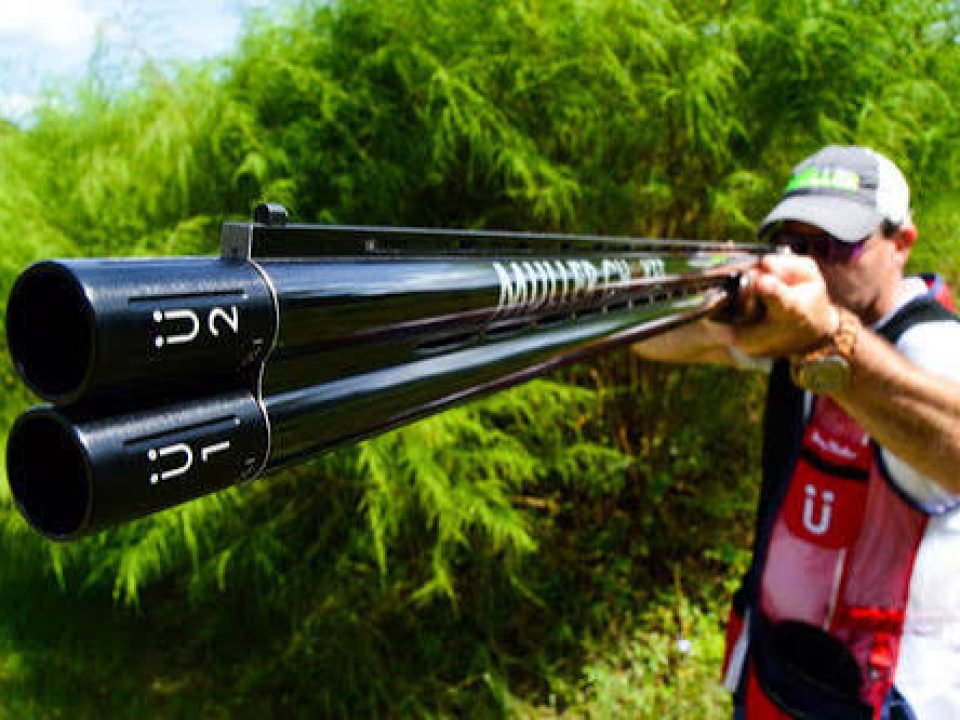
Muller gun

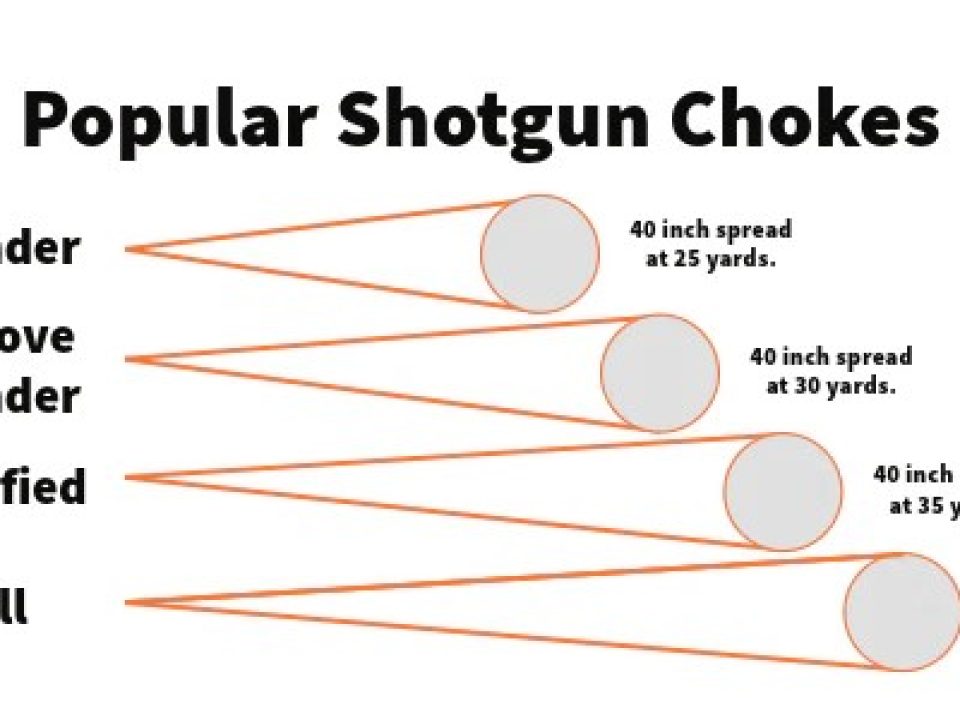
The effective range of a shotgun choke is not a fixed distance where it suddenly stops working. Instead, a choke determines how tightly the shot pattern holds together, which affects the maximum distance at which you can reliably place enough pellets on the target for a clean kill or a broken clay.

The table below assumes modern target or hunting loads with lead shot and a well-patterned shotgun.

ChokeTypical Constriction (12 ga.)Approximate Pattern at 40 YardsEffective Range
Cylinder (CYL)0.000″40%20–25 yards
Skeet (SK)0.005″45%20–25 yards
Improved Cylinder (IC)0.010″50%25–35 yards
Light Modified (LM)0.015″55%30–40 yards
Modified (M)0.020″60%35–45 yards
Improved Modified (IM)0.025″65%40–50 yards
Full (F)0.030″70%45–60 yards
Extra Full/Turkey0.035–0.045″+75–90%50–70+ yards (turkey-specific loads)

Practical applications

  • Cylinder: Home defense, upland birds over pointing dogs, very close sporting clays.
  • Skeet: Skeet shooting, quail, woodcock, rabbits.
  • Improved Cylinder: The most versatile choke for upland hunting and many sporting clays stations.
  • Light Modified: An excellent “do-everything” choke, particularly popular for sporting clays.
  • Modified: Pheasants, ducks over decoys, trap singles.
  • Improved Modified: Long crossers, late-season pheasants, handicap trap.
  • Full: Long-range waterfowl (with appropriate non-toxic choke), turkey, trap handicap.
  • Extra Full/Turkey: Specialized for turkey hunting with dense, high-performance loads.

How pattern diameter changes

A rough guide to pattern diameter is:

ChokePattern Diameter at 20 yd30 yd40 yd
Cylinder20–22″30–34″40–44″
IC18–20″27–30″34–38″
LM16–18″24–27″30–34″
Modified15–17″22–25″28–32″
IM13–15″20–23″24–28″
Full11–13″18–21″20–24″

Important considerations

The choke is only one part of the equation. Pattern performance is also affected by:

  • Shot size (larger pellets retain energy better).
  • Payload weight (more pellets generally produce denser patterns).
  • Velocity (high velocity can sometimes degrade patterns).
  • Wad design (modern wad technology can significantly tighten patterns).
  • Shot material (steel, bismuth, tungsten, and lead behave differently).
  • Your individual shotgun (two shotguns with identical choke markings can produce noticeably different patterns).

The bottom line

For most sporting purposes:

  • 0–25 yards: Cylinder or Skeet
  • 25–35 yards: Improved Cylinder
  • 30–40 yards: Light Modified
  • 35–45 yards: Modified
  • 40–50 yards: Improved Modified
  • 45–60 yards: Full

Many experienced sporting clays shooters today consider Light Modified (0.015″) the most versatile choke because it provides forgiving patterns at close range while maintaining enough density for targets out to about 40 yards. For hunters, Improved Cylinder and Modified remain the two most versatile choices, covering the majority of upland and waterfowl situations.

# # #
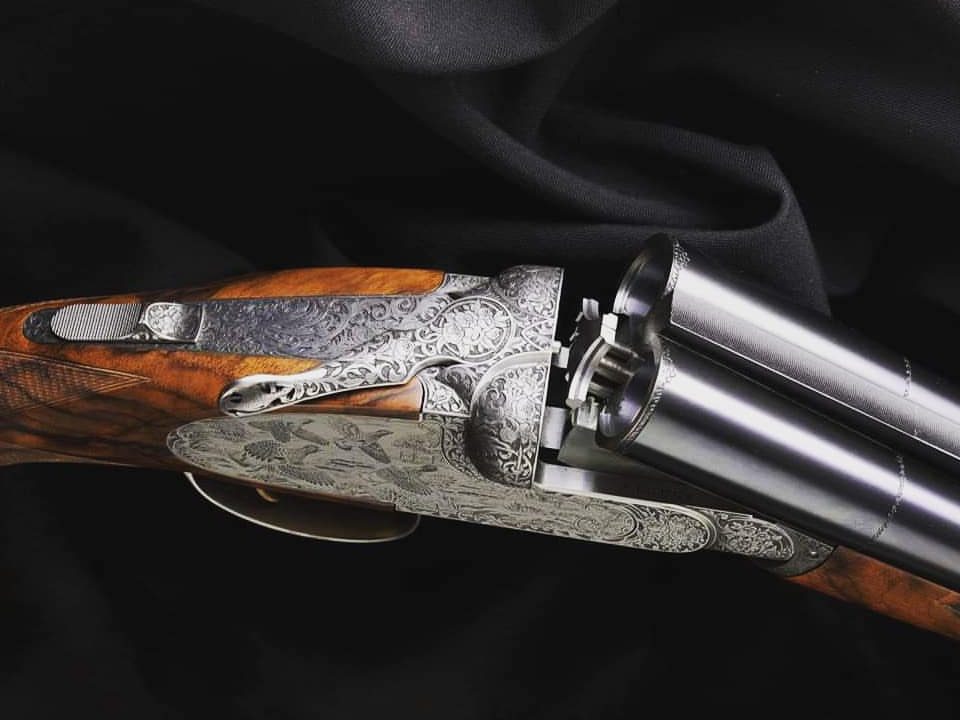
Is it OK to Use Extended Chokes on My Classic Side by Side?

C1

Whether you should use extended choke tubes on a traditional side-by-side depends on what you value more: performance, aesthetics, or convenience.

For most traditional side-by-side shotguns, flush choke tubes are the better choice.

Here’s why:

  • Preserves the classic appearance. A traditional side-by-side is prized for its graceful lines. Extended chokes protruding from the muzzles can detract from the elegant look.
  • Maintains the original balance. Although extended chokes add only a small amount of weight, enthusiasts often appreciate the lively handling that side-by-sides are known for.
  • Protects the traditional aesthetic. If the shotgun is a fine British, Spanish, Italian, or American double, flush chokes are generally more in keeping with its design.

Extended chokes do offer several practical advantages:

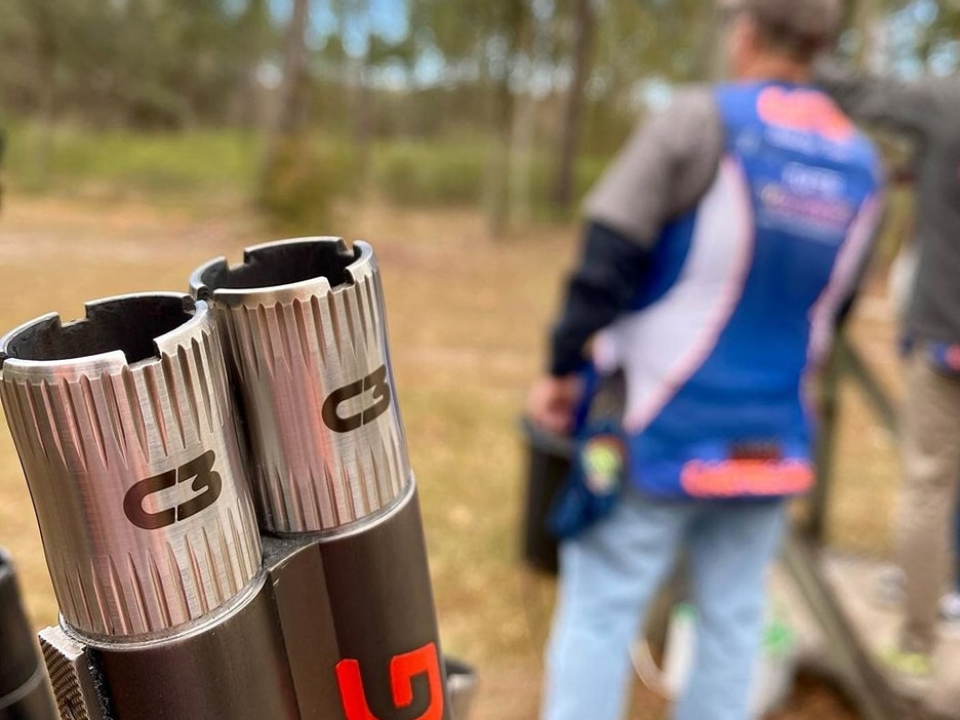
  • They can be changed without a choke wrench.
  • The extended section is easier to grip in the field.
  • Many are clearly laser-marked, making choke identification quick.
  • They provide a small amount of extra protection for the muzzle if the gun is bumped.
Perazzi DC 12 2

Do extended chokes improve patterns?

Usually no—at least not because they are extended.

Pattern quality depends primarily on:

  • The choke’s internal geometry.
  • The quality of the machining.
  • The ammunition being used.

A well-designed flush choke and an equivalent extended choke from the same manufacturer will generally produce virtually identical patterns.

When they make sense

Extended chokes are a good choice if you:

  • Shoot sporting clays or skeet regularly and change constrictions throughout the day.
  • Hunt different species where you may switch between open and tight chokes.
  • Prefer the convenience of tool-free choke changes.

When to avoid them

Consider sticking with flush chokes if you:

  • Own a classic or collectible side-by-side.
  • Primarily hunt upland birds using one choke combination (such as Improved Cylinder/Modified).
  • Value the traditional appearance and handling qualities.

A good compromise

Many side-by-side owners keep:

  • Flush chokes installed for hunting and everyday use.
  • Extended chokes in their shooting bag for sporting clays or occasions when frequent choke changes are needed.

For a traditional side-by-side, I would generally recommend flush chokes unless you’re competing in clay target sports where the convenience of extended tubes outweighs the aesthetic considerations.

# # #

Trulock Makes Affordable Bespoke Chokes for Collegiate Competitors

The four lanes of U.S. Route 84 cut through rural South Georgia. You’ll pass country churches, body shops, gas stations, convenience stores, farms, agricultural equipment dealers, skirt the downtown Cairo (home of the Syrupmakers high-school football team), before reaching Broad Avenue and the town limits of Whigham – population 428 as of the 2020 census. Having driven through the town several times over the years on my way to someplace else, and with Whigham’s total area of 1.2 miles overshadowed by a few blocks of derelict storefronts, you’d think it would be pretty easy to find a business that is still in operation.

Read More

The Advantages of Ported Shotgun Chokes

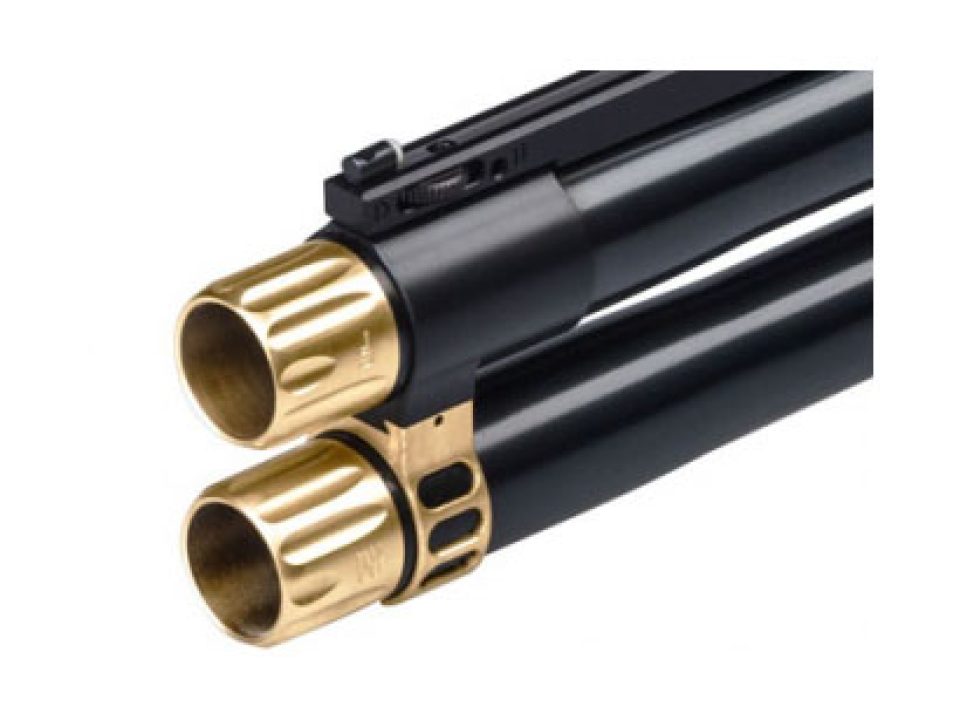
Ported shotgun chokes are essentially choke tubes that have been modified with holes or ports along the side of the tube. These ports serve to redirect gases and reduce the overall recoil and muzzle jump experienced when firing a shotgun. By allowing gases to escape through the ports, ported chokes help to stabilize the barrel and reduce the amount of felt recoil that the shooter experiences. This can be particularly beneficial for shooters who are sensitive to recoil or looking to improve their accuracy and control.

Read More

Shotgun Chokes: Flush Vs. Extended

Shotgun chokes are essential components in any shooting arsenal. However, many shooters often overlook their critical role in enhancing shooting accuracy and overall performance. This article delves into the fascinating world of shotgun chokes, providing a comprehensive understanding of their function, the different types, their performance, and how to choose the ideal choke for your shooting needs.

Shotgun chokes are constricted sections at the end of a gun’s barrel, designed to control the spread or pattern of the shot. The primary purpose of a choke is to improve accuracy by manipulating the distribution of the shot. A tighter or denser pattern is ideal for hitting targets at longer distances, while a wider pattern is preferable for closer targets.

Read More

Optimal Shotgun Choke Constrictions for Clay Targets

Shotgun choke constrictions play an essential role in trap, skeet, and sporting clays. The choice of choke can make or break a shooter’s performance, affecting the spread and density of the pellet pattern as it leaves the barrel.

Shotgun choke constrictions are designed to manipulate the spread of pellets, thereby determining the effective range of the shotgun. The level of constriction in a choke dictates the degree to which the shot will be condensed upon exiting the barrel. Generally, the more constricted the choke, the tighter the shot pattern will be, and the further the effective range.

Read More

Remembering the Poly Choke

Do you remember the Poly Choke? If you’re a seasoned hunter or shooter, the chances are you’ve come across this legendary shotgun choke at some point in your life. The Poly Choke was a game-changer in the world of firearms, offering shooters the ability to quickly adjust the constriction of their shotgun’s barrel to suit different shooting situations.

Read More

Titanium Chokes: Lighter, Stronger, Better?

Shotgun chokes can be manufactured from various materials including steel, stainless steel, and titanium.

Titanium is a strong, light metal known for its corrosion resistance and high strength-to-weight ratio. It is a naturally occurring element, often alloyed with other metals for various industrial applications, including aerospace, automotive, and medical sectors. Titanium’s inherent qualities make it an attractive choice for choke construction.

Read More

Shotgun Life Newsletters

Join an elite group of readers who receive their FREE e-letter every week from Shotgun Life. These readers gain a competitive advantage from the valuable advice delivered directly to their inbox. You'll discover ways to improve your shooting, learn about the best new products and how to easily maintain your shotgun so it's always reliable. If you strive to be a better shooter, then our FREE e-letters are for you.