
The Italian-Made Ithaca Shotgun: A Closer Look
The phrase “Italian-made Ithaca shotgun” points to a lesser-known but interesting chapter in the history of sporting arms, where an established American name became linked with European gunmaking. For many enthusiasts, Ithaca is closely associated with New York-made pump and double-barreled shotguns, but shifting market pressures and changing ownership structures opened the door to overseas production partnerships. In that context, Italian manufacturing brought together old-world gunmaking traditions, modern export strategies, and the enduring appeal of a recognized American brand. Examining these firearms helps explain how branding, craftsmanship, and international collaboration shaped the shotgun market in the late twentieth century.
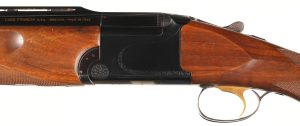
The Italian-Made Ithaca Shotgun’s Origins
The origins of the Italian-made Ithaca shotgun are tied to a period when many American firearms brands faced intensifying competition, rising production costs, and changing consumer expectations. Rather than relying solely on domestic manufacturing, some companies looked abroad for proven gunmakers capable of supplying well-finished shotguns at competitive prices. Italy, with its deep bench of arms manufacturers and long tradition of sporting-gun production, became a natural source for such arrangements. For Ithaca, this meant that certain shotguns bearing its name were produced in Italy and marketed to buyers who still recognized the strength of the Ithaca brand.
In the 1970s, Ithaca imported Perazzi over/under competition guns from Italy. The shotguns were marketed under the Ithaca name in the US market.
In addition, some Italian-made Ithaca side-by-sides were manufactured by Armi Beshi in Cordoba, Italy. They were classic field guns with floral engraving and high-grade walnut.
Ithaca’s 500 series of over/unders were imported from Italy during the 1970s–1980s. Many of them were made by Brescia Firearms and Antonio Zoli.
This development did not emerge in a vacuum. By the postwar decades, Italian firms had built a strong reputation in the global shotgun trade, particularly in areas such as Brescia and the Val Trompia region, where gunmaking expertise had been refined over centuries. Italian manufacturers were adept at producing side-by-side and over-under shotguns that appealed to both working hunters and more style-conscious sportsmen. As American importers and legacy brands sought to broaden their catalogs, Italian production offered flexibility in design, engraving, stock work, and price point. That combination made these partnerships commercially attractive.
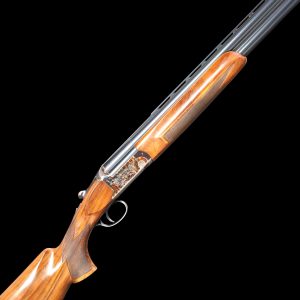
In practical terms, the Italian-made Ithacas represented a blend of American marketing identity and European manufacture. These guns were often aimed at customers who wanted classic field-gun handling and attractive finish without the higher cost associated with premium domestic doubles. Depending on the specific model and era, the Italian connection could involve private-label manufacturing or direct sourcing from established makers whose own names were less familiar to American buyers. As a result, the Italian-made Ithaca occupies a distinctive place in firearms history: not purely American in manufacture, yet closely tied to an American sporting legacy.
Craftsmanship and Legacy Behind the Design
What gave the Italian-made Ithaca shotgun much of its appeal was the craftsmanship associated with Italian sporting arms. Even in production-grade guns, Italian makers were known for careful barrel regulation, elegant receiver lines, and stock dimensions suited to upland hunting and clay shooting. Decorative touches such as scroll engraving, checkering, and polished bluing often elevated these firearms beyond purely utilitarian tools. While not every imported model was a luxury piece, many reflected the balance of function and style for which Italian gunmakers had become known.
The design legacy behind these shotguns also rested on Europe’s long familiarity with double guns. Italian manufacturers drew on mechanical layouts and aesthetic conventions that had evolved through generations of use in the field. This included an emphasis on lively balance, relatively slim profiles, and handling characteristics favored by hunters pursuing fast-moving birds. When sold under the Ithaca name, those qualities gave American consumers access to a different gunmaking tradition while still buying into a label they associated with reliability and sporting heritage. The result was a firearm that linked transatlantic influences in a practical way.
The Italian-made Ithaca shotgun stands as an example of how tradition and commerce intersected in the modern sporting-arms market. Though Ithaca’s identity was rooted in American gunmaking, its connection with Italian production reflected broader shifts in manufacturing and consumer demand. These shotguns combined the market recognition of an American name with the established artistry of Italian makers, leaving behind a niche but meaningful legacy. In that sense, they are more than imported firearms with a familiar stamp; they are artifacts of an era when the shotgun trade became increasingly international in both design and identity.
# # #

Irwin Greenstein is Publisher of Shotgun Life. Please send your comments to letters@shotgunlife.com.

Comments